
Page
Eyes
The eyes are the most expressive feature of the face — yet also the first to show signs of aging, fatigue or structural changes. Eyelid concerns such as sagging skin, puffiness, eye bags, drooping lids, wrinkles and asymmetry can affect both appearance and visual function.
At Magniva Aesthetics, our eye treatments are based on advanced oculoplastic surgery, combining aesthetic refinement with medical expertise to restore youthful contours, improve vision when obstruction occurs and create a refreshed, natural look.
What Is Eyelid Surgery (Blepharoplasty)?
Eyelid surgery, medically known as blepharoplasty, involves the precise removal or repositioning of excess skin, muscle and fat around the eyes. It helps improve:
- Heavy or droopy eyelids
- Hooding of the upper eyelid
- Under-eye puffiness and bags
- Loose or wrinkled eyelid skin
- Tired, aged or asymmetric appearance
- Visual obstruction from overhanging eyelid skin
In many cases, the surgery also improves functional issues, such as reduced peripheral vision and difficulty keeping the eyes fully open.
Blepharoplasty is one of the most commonly performed aesthetic surgeries worldwide, with high patient satisfaction and long-lasting, natural-looking results.
Our Primary Eye Surgery Services
Who Is an Ideal Candidate?
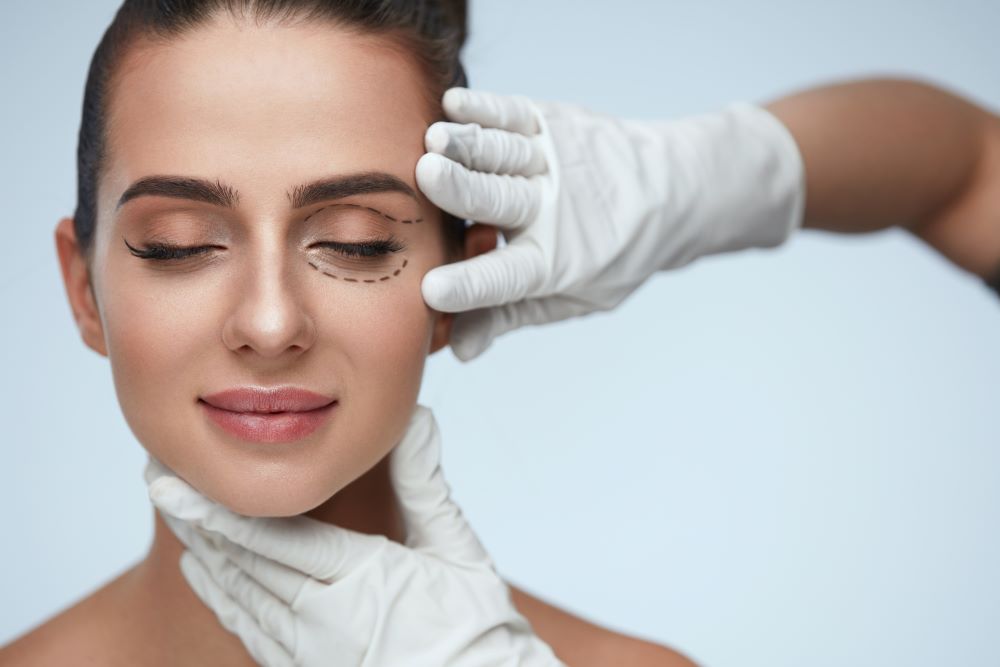
You may benefit from eyelid surgery if you experience:
✔ Excess skin folding over the eyelids
✔ Puffy fat pads or under-eye bags
✔ Drooping eyelids that impair vision
✔ Wrinkles or crepey skin around the eyes
✔ A constantly tired or aged appearance
✔ Difficulty applying makeup due to lid droop
✔ Genetic or age-related changes in eyelid structure
People in their 30s to 70s commonly seek this treatment, although suitability depends on individual anatomy and overall health.
Pre-treatment Evaluation at Magniva Aesthetics
Every eyelid procedure begins with a detailed assessment, including:
1. Medical & Eye Examination
- Medical history review
- Vision testing when drooping affects sight
- Evaluation of dry-eye tendencies
- Eyelid muscle function analysis
2. Eyelid & Facial Measurements
- Marginal reflex distance (MRD)
- Skin laxity and fat prolapse
- Brow position and forehead activity
- Lower eyelid tone and canthal tendon strength
3. Photographic Documentation
Pre-operative photos help create a detailed surgical plan and track outcomes.
Types of Eyelid Concerns We Treat
At Magniva Aesthetics, eyelid surgery can address multiple issues within the same procedure:
Excess Eyelid Skin (Dermatochalasis)
Removes sagging skin that creates a tired look or visual obstruction.
Fat Prolapse (“Eye Bags”)
Repositions or conservatively reduces fat pads to smooth the under-eye area.
Eyelid Laxity
Tightening the eyelid to improve stability and prevent outward turning (ectropion).
Tear Trough Hollowness
Fat repositioning or adjunct fillers for a smoother lid–cheek transition.
Drooping Eyelids (Ptosis)
If required, the eyelid lifting muscle (levator) is tightened to elevate the lid.
Skin Wrinkles & Laxity
Excess skin is trimmed or treated with lasers/peels for better texture.
Asymmetry
Precise measurements restore natural eyelid balance.
Eyelid Surgery Procedure
The exact approach depends on anatomy and goals, but a typical blepharoplasty includes:
Step-by-Step
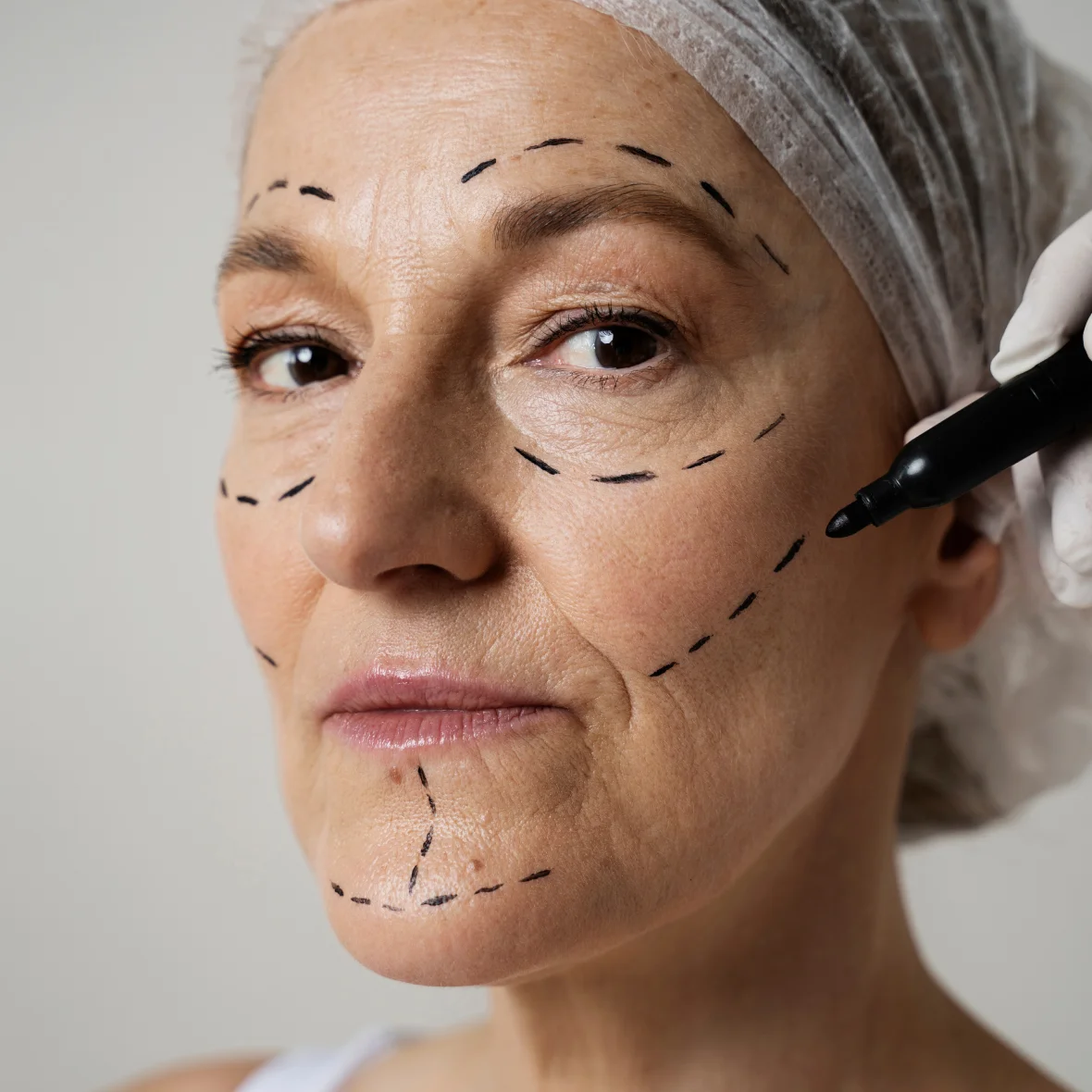
1. Marking and Planning
While you are sitting upright, the surgeon marks:
- Excess skin to be removed
- Natural eyelid crease
- Fat pockets requiring adjustment
- Areas needing support or tightening
This ensures optimal symmetry and eyelid function.
2. Anaesthesia
- Local anaesthesia with mild sedation (most common)
- General anaesthesia, if combined with other procedures or based on patient comfort
3. Incision Placement
Incisions are strategically placed to remain hidden:
- Natural eyelid crease
- Just below the lash line
- Or inside the eyelid (scarless approach)
4. Removal / Repositioning of Tissue
- Excess skin is trimmed precisely
- Orbicularis oculi muscle may be sculpted for better contour
- Fat pockets are conservatively removed or repositioned to avoid hollowing
- Lax tendons may be tightened to maintain lid shape
5. Eyelid Function Enhancement
If drooping is due to weak muscles, techniques like:
- Levator advancement
- Müller’s muscle tightening
are performed to give the eyelid a natural lift.
6. Closure
Ultra-fine sutures are used to close the incisions, ensuring minimal scarring.
7. Post-Surgical Care & Dressing
- Cold compresses
- Lubricating ointments
- Eye protection if required
Recovery & Healing Timeline
- Swelling and bruising peak
- Use cold compresses
- Sleep with head elevated
- Sutures removed on day 5–7 (if non-absorbable)
- Bruising and swelling start settling
- Light activities resumed
- Most swelling resolved
- Makeup allowed (as advised)
- Social downtime typically ends
- Eyelids appear more natural
- Scar lines fade significantly
- Final refinement and full result visibility
Results You Can Expect
✔ More youthful, refreshed eyes
✔ Better-defined eyelid crease
✔ Smoother, firmer eyelid skin
✔ Reduction of puffiness and bags
✔ Improved facial harmony
✔ Long-lasting aesthetic improvement
Potential Risks & Safety Information
Eyelid surgery is considered very safe, especially when performed by trained oculoplastic surgeons. However, like any procedure, risks may include:
- Temporary swelling & bruising
- Dry eyes or irritation
- Mild asymmetry
- Infection (rare)
- Visible scarring (rare, fades over time)
- Difficulty closing eyes temporarily
- Very rare risk of vision changes
All these risks are minimized with proper surgical planning and post-operative care.
Non-Surgical Eye Rejuvenation Options
(Available as add-on or alternative)
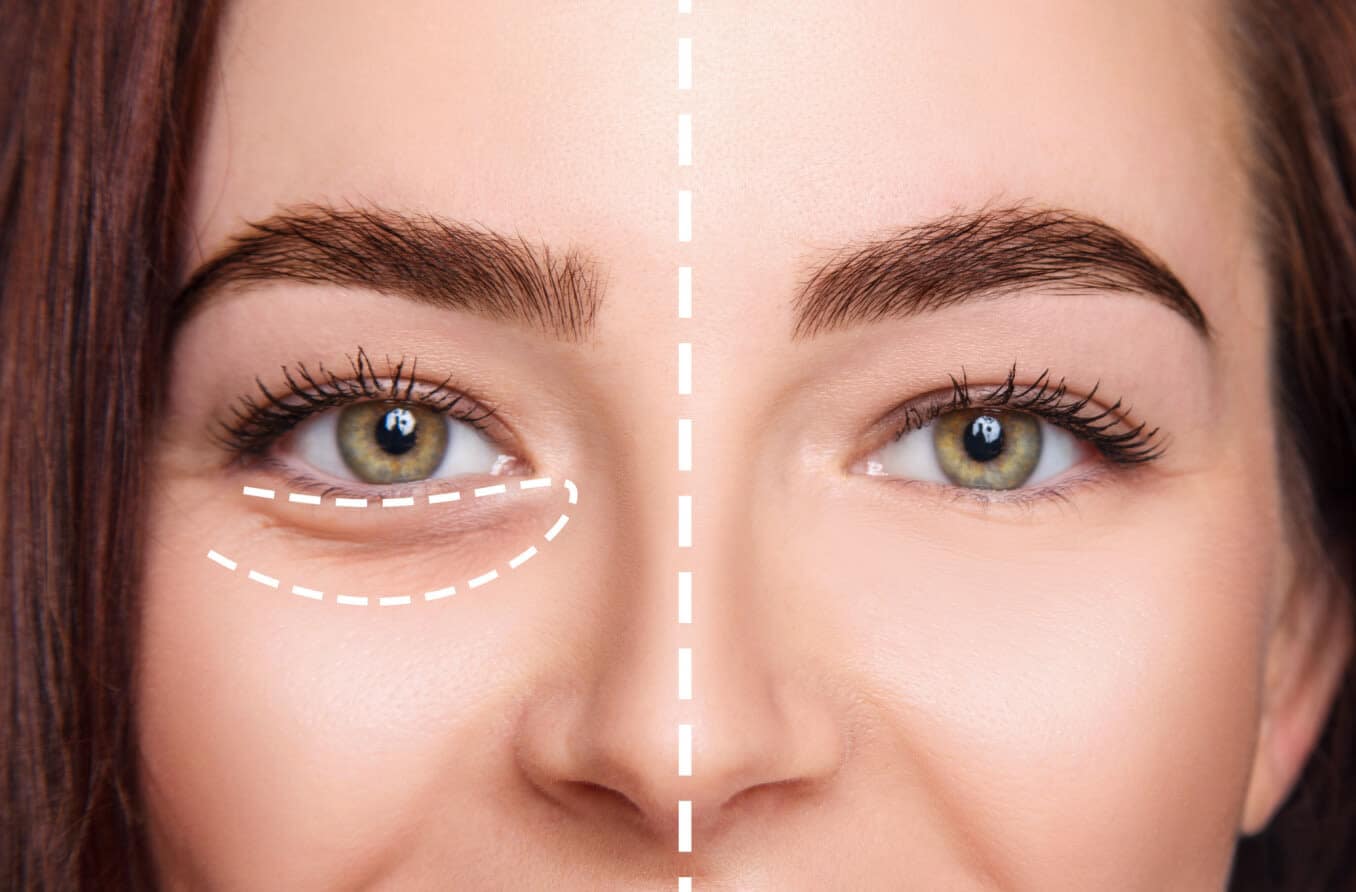
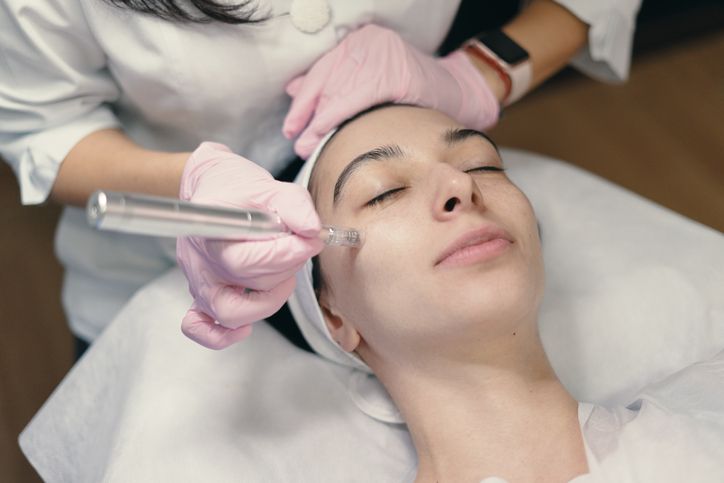
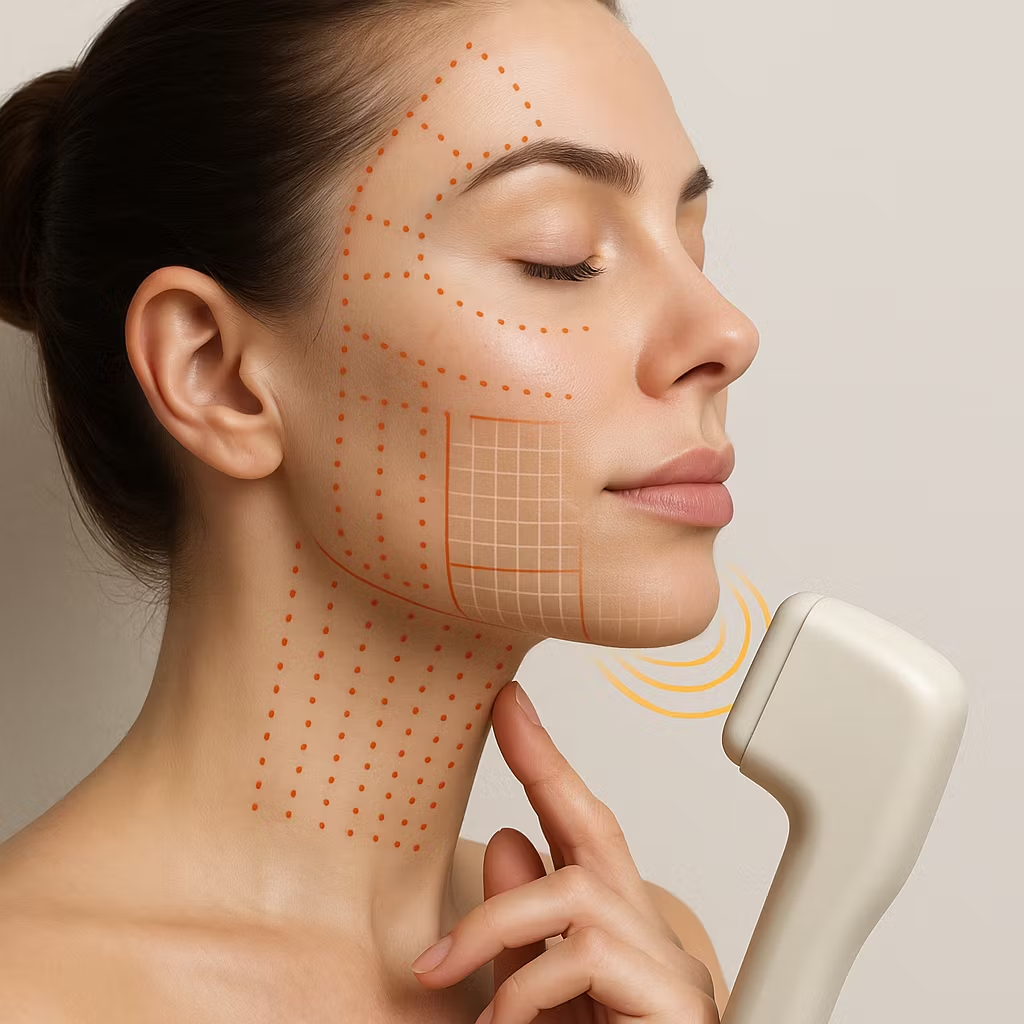
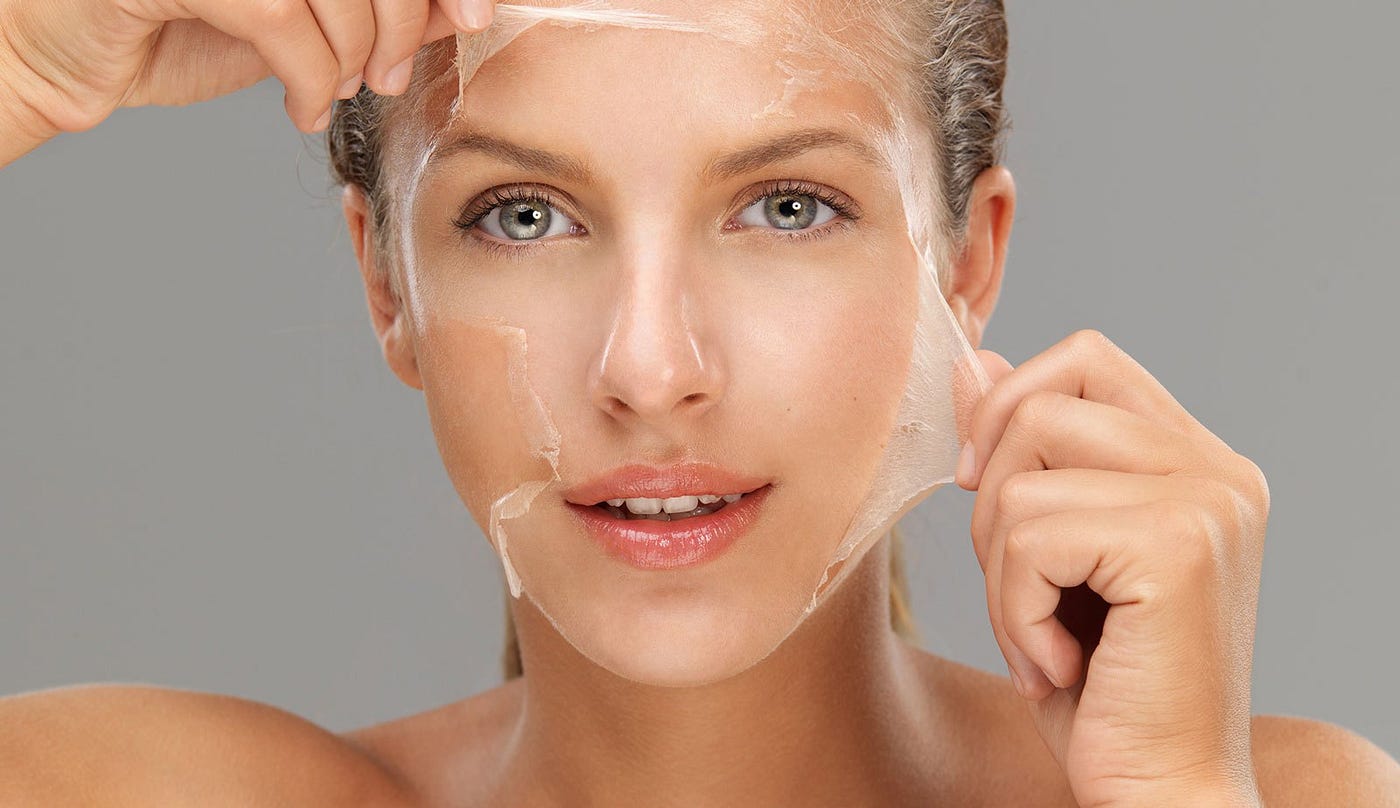
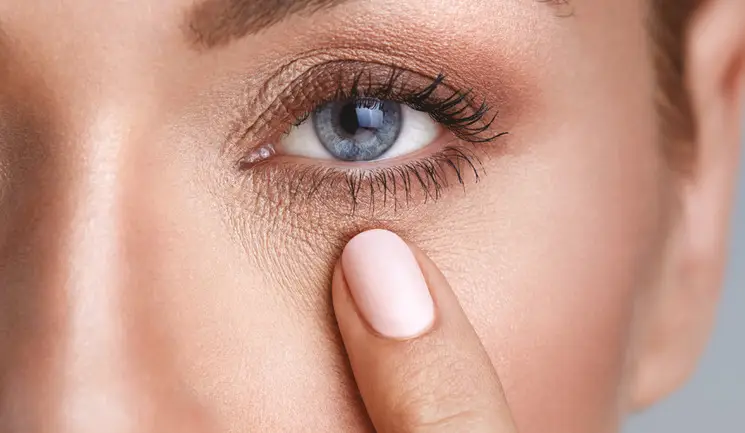
These treatments can complement surgery for superior, blended results.
Our Doctors
Board-Certified Doctor
Why Choose Magniva Aesthetics?
- Oculoplastic Expertise
- Our eyelid procedures follow ophthalmic and reconstructive principles for safety and precision.
- Natural-Looking Results
- We focus on subtle enhancement — never an “overdone” or artificial outcome.
- Advanced Techniques
- From scarless approaches to fat repositioning and tendon tightening.
- Safety-First Protocols
- Detailed examination, visual testing, dry-eye evaluation, and customised plans.
- State-of-the-Art Facility
- Modern surgical equipment, sterilisation protocols, and patient-centric care.
- Comprehensive Care
- Follow-up visits, healing support, and access to non-surgical adjuncts.
Book Your Consultation
Want youthful, refreshed eyes without losing your natural expression?
Our oculoplastic specialists will evaluate your eyelids and design a personalised treatment plan.
📞 Call: +91 8108140011
🌐 Website: https://magniva-aesthetics.com
📍 Visit Us: 902 Shanti Vallabh CHS Sunder Nagar Road 3, Kalina.
Santacruz East Mumbai. 400098
📩 Book Online: https://magniva-aesthetics.com/contact
have a question?
Quick answers to questions you may have
Will I be able to close my eyes after surgery?
Proper technique preserves eyelid closure. Transient tightness or difficulty occurs rarely and usually resolves; permanent closure problems are uncommon with experienced oculoplastic care.
Are scars visible?
Upper eyelid scars are hidden in the natural crease. Lower-transconjunctival incisions leave no visible skin scar; external lower incisions are placed just below lashes and usually fine.
How long do results last?
Many years; ageing continues so results vary with lifestyle, genetics and skin quality.
Can fillers replace lower eyelid surgery?
Fillers help hollowing and are non-surgical options for selected patients, but they do not remove prolapsed fat or tighten lax skin. Surgery or fat repositioning is often preferable for true bags.